Driving for Uber or Bolt? Your Personal Car Insurance Probably Won’t Pay Out
South Africa’s e-hailing economy has grown fast — Uber, Bolt, and platforms like Shesha now support an estimated 150,000 drivers across the country, many of them supplementing a day job with a few hours behind the wheel after work. What most of these drivers don’t realise is that the moment they go online and accept a ride, their standard personal car insurance may no longer apply.
This isn’t a technicality. It’s one of the most common — and most expensive — insurance gaps we see, and it can leave a driver completely exposed after an accident, theft, or hijacking.
Why Personal Insurance Doesn’t Cover E-Hailing
Standard personal car insurance is priced and underwritten around private use: commuting, errands, the school run. The moment you accept payment for a ride, your vehicle is being used commercially — and insurers treat that as a fundamentally different, higher-risk category. A fare-paying passenger, a vehicle on the road far more hours per week, and higher accident exposure all change the risk profile your original premium was based on.
As one Miway insurance investigator put it, once a driver accepts a ride through an e-hailing app, the vehicle is effectively operating commercially — and a standard personal policy simply doesn’t extend to cover that.
“But I Told My Insurer I Sometimes Drive for Business” Isn’t Enough
Here’s a subtlety that catches a lot of drivers out: even having general “business use” cover on your policy doesn’t automatically mean you’re covered for e-hailing specifically. Fare-paying passenger transport is treated as its own risk category, separate from ordinary business use like driving to client meetings. If your insurer isn’t explicitly aware that you drive for Uber or Bolt, you may still be uninsured even with a “business use” policy in place.
What Happens If You Don’t Disclose It
Insurance in South Africa runs on the principle of full disclosure. If you’re using your personal vehicle for e-hailing and haven’t told your insurer, any claim arising from that vehicle — accident, theft, hijacking, third-party injury — can be rejected outright as material misrepresentation. It doesn’t matter whether the incident happened while you had a paying passenger in the car or was driving to your first pickup of the night; if the vehicle’s actual use doesn’t match what your insurer was told, the claim is at risk.
This isn’t a rare, worst-case scenario. It’s becoming a well-documented pattern in the SA insurance industry as more drivers try to save on premiums by staying on personal cover instead of declaring commercial use.
What Platforms Like Uber and Bolt Actually Cover
Uber and Bolt do offer some limited insurance protection to drivers and passengers while a trip is active, but it’s not a substitute for proper vehicle cover. Platform cover is generally narrow in scope and doesn’t replace comprehensive protection for your own vehicle, your liability, or damage outside the exact window of an active trip. Relying on the platform’s cover alone leaves significant gaps — particularly for vehicle damage, theft, and hijacking.
The Real Cost of Getting This Wrong
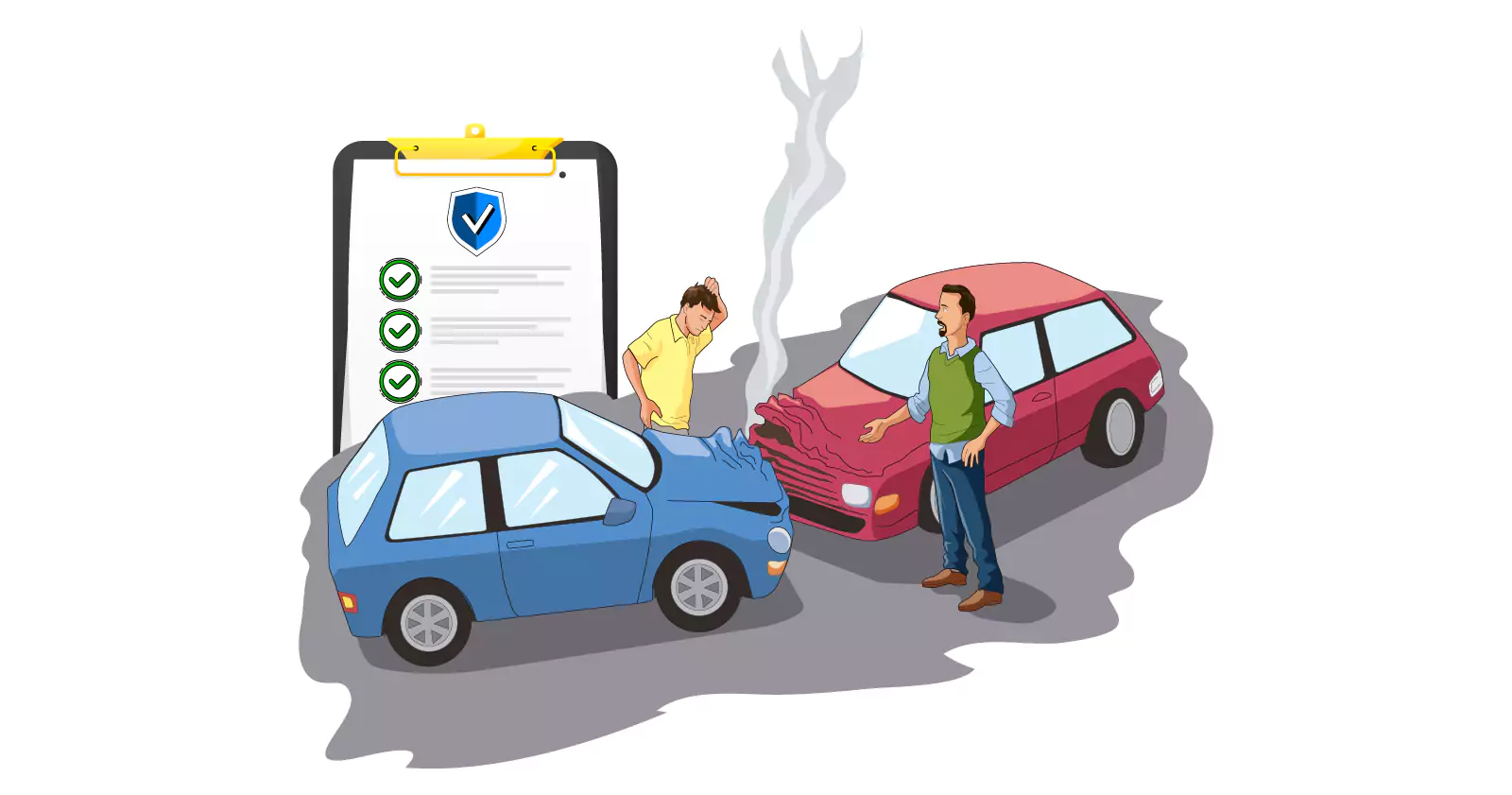
Picture a driver who uses his own car for Uber after his day job. He’s never made a claim, never thought twice about it — until he’s in an accident with a passenger on board, and his personal insurer rejects the claim outright because the business use was never disclosed. He’s left covering vehicle repairs, potential liability, and lost income, entirely out of pocket. This is the exact scenario playing out for drivers across the country who assume their existing cover is “close enough.”
What You Actually Need
If you drive for Uber, Bolt, or any similar platform — even just a few evenings a week — you need cover specifically designed for e-hailing, not general personal or even general business-use insurance. Proper e-hailing cover typically includes:
- Accidental damage to your vehicle while working
- Theft and hijacking cover appropriate to commercial use
- Liability cover for paying passengers, not just private passengers
- Cover that doesn’t lapse or exclude claims based on how many hours a week you drive
Commercial or e-hailing-specific cover usually costs more than a pure personal policy — but that cost is the price of a claim actually being paid when you need it.
Why This Is a Broker Conversation
This is exactly the kind of gap a broker exists to catch. A call centre selling a standard policy has no reason to ask whether you occasionally drive for Uber on weekends — but we do, because it’s the difference between a policy that looks fine on paper and one that actually pays out. As your broker, we make sure your cover matches how you actually use your vehicle, not just how you used it when the policy was first written.
If your driving habits have changed since you took out your policy — even informally, even just a few hours a week — it’s worth a quick review before it becomes a declined claim.
Frequently Asked Questions
Will my personal car insurance cover me if I only drive for Uber occasionally, not full-time?
No. Even occasional or part-time e-hailing counts as commercial use the moment you accept a fare-paying ride. Frequency doesn’t change the underlying risk classification.
Does Uber or Bolt’s own insurance cover my vehicle if I don’t have my own commercial cover?
Platform cover is limited and generally only applies during an active trip. It’s not a substitute for proper vehicle insurance and won’t cover many common claim scenarios.
What happens if I don’t disclose that I drive for Uber and I never make a claim?
Nothing happens until you need to claim — at which point non-disclosure can result in the claim being rejected entirely, regardless of how long you’d been driving without incident.
Is e-hailing insurance a lot more expensive than personal cover?
It’s typically somewhat higher due to the increased risk profile, but the cost difference is far smaller than the financial exposure of an uninsured accident, theft, or hijacking claim.