How Load Shedding Is Putting Your Car at Risk — And What Your Insurance Actually Covers
If you’ve ever approached a busy Johannesburg or Cape Town intersection during a power cut, you’ll know the chaos that follows: dead traffic lights, drivers guessing who goes first, and sometimes a well-meaning stranger waving cars through. Load shedding hasn’t just changed how South Africans live — it’s changed how we drive, and it’s reshaping car insurance claims across the country.
Several major insurers have reported real increases in load shedding-related claims in recent years, from fender-benders at malfunctioning intersections to power-surge damage when the grid comes back online. As your broker, we want you to understand exactly what’s covered, what isn’t, and how to protect yourself — because the fine print here genuinely matters.
Are You Covered for Accidents at Dead Traffic Lights?
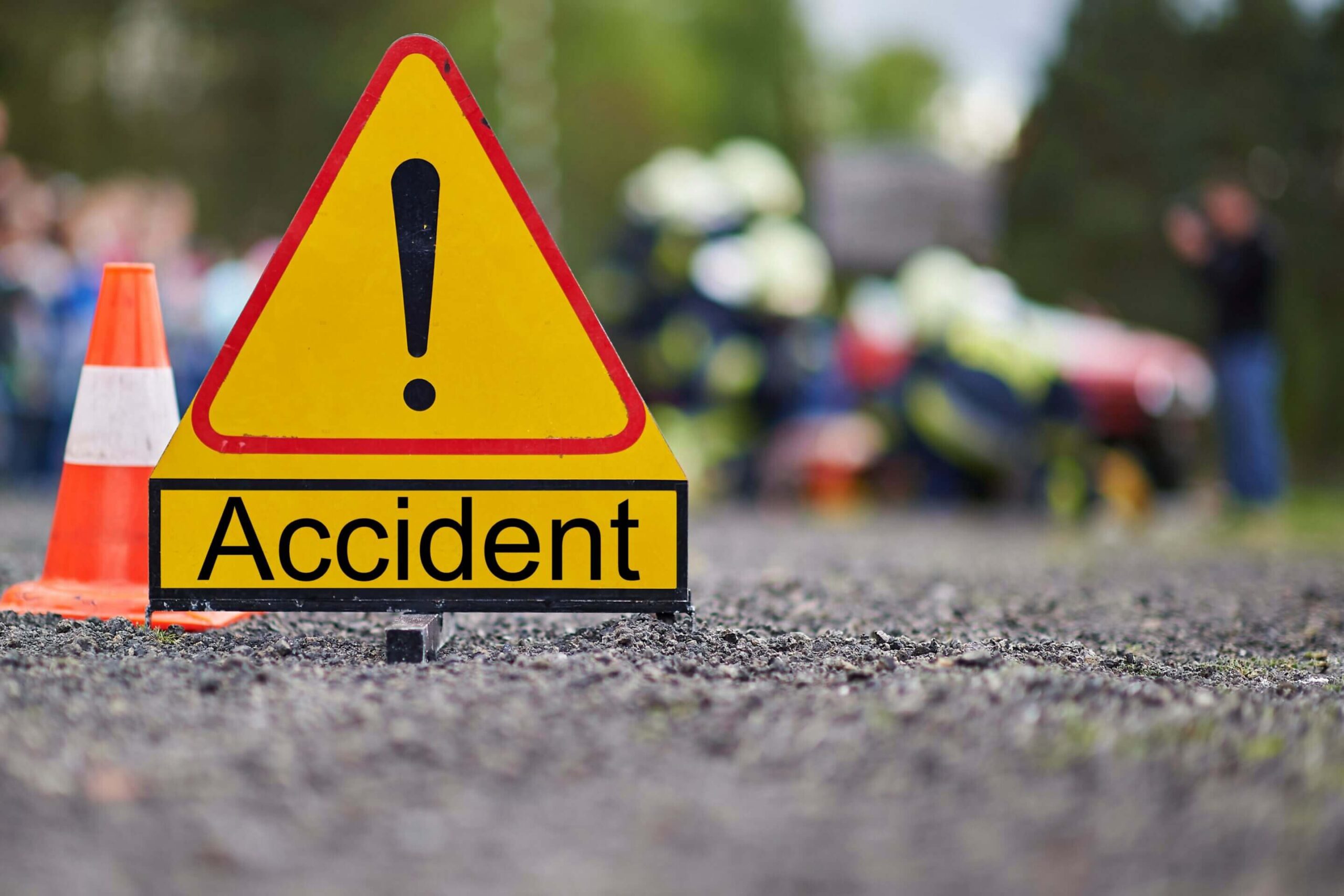
Yes — in almost all cases. When traffic lights are out, South African law requires you to treat the intersection as a four-way stop. If you do that and still end up in an accident, your claim is processed like any other motor vehicle claim. Insurers have confirmed publicly that a dead traffic light is not, on its own, a reason to decline a claim.
Where it gets risky is proving you exercised “due care.” If you sped through a dark intersection without slowing down or checking for oncoming traffic, your insurer can — and often will — push back on the claim. The lesson: slow down, look both ways, and never assume you have right of way just because you got there first.
The “Homeless Pointsman” Problem
In many SA cities, informal traffic controllers have started directing cars at broken intersections, often in hope of a tip. It’s a genuinely helpful gesture in many cases — but legally, only trained, uniformed traffic officers may direct traffic under the National Road Traffic Act.
If you follow an untrained pointsman’s signal and end up in a crash, most major insurers will still assess the claim fairly, provided you can show you still looked out for your own safety rather than blindly following instructions. “He told me to go” isn’t an accepted legal defence on its own — but “I checked before proceeding, even though someone signalled me” generally is. It’s a subtle but important distinction, and one many drivers don’t realise until they’re in a dispute with their insurer.
What About Power Surge and Blackout Damage?
This is where things get more restrictive. Many insurers have introduced exclusions for damage caused directly by “grid failure” — a total, widescale blackout affecting a whole municipality or region. This mostly affects home and appliance cover rather than motor policies, but it’s increasingly relevant if you drive an electric or hybrid vehicle that’s plugged in at home when the power is restored.
If you’re in a car accident because a traffic light is out, that’s still treated as a motor vehicle accident, not a “grid failure” event — so your car cover applies as normal. The exclusions mostly bite when the damage itself is caused by the electrical surge, not by a collision.
Practical Steps to Protect Yourself This Load Shedding Season
- Treat every dead traffic light as a four-way stop — always, no exceptions, even if you’re in a rush.
- Slow down at high-risk intersections you know go dark often, especially during evening load shedding slots when visibility is also worse.
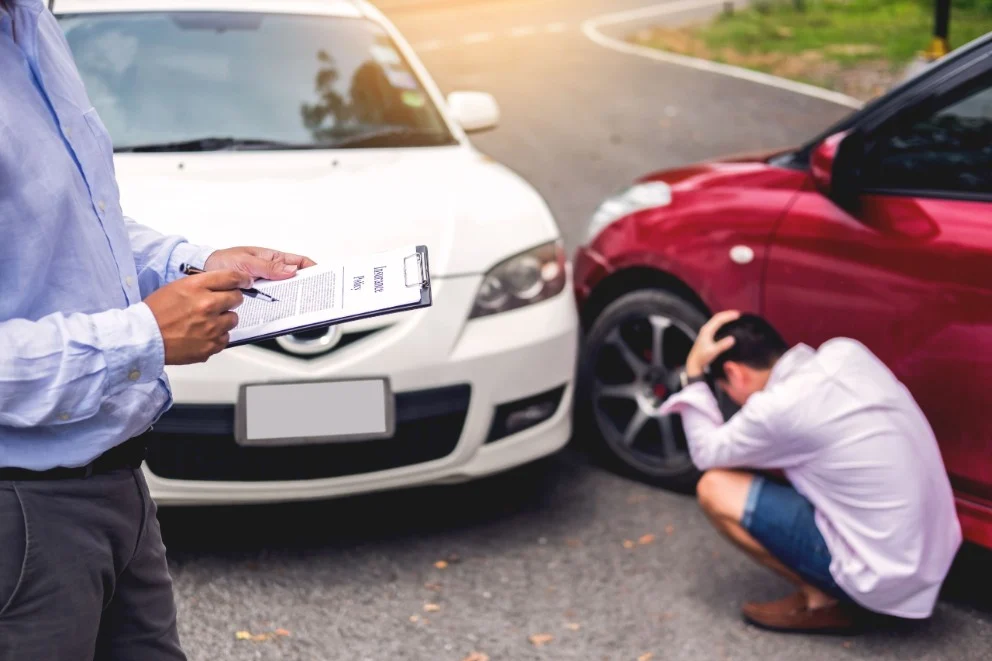
- Photograph the scene if you’re ever in an accident at a malfunctioning light — timestamped photos of the dead traffic light strengthen your claim significantly.
- Check your policy’s grid failure and power surge clauses, especially if you own an EV or hybrid, so you know exactly what is and isn’t covered.
- Don’t assume “the pointsman told me to go” protects you — always do your own visual check before proceeding.
Why Work With a Broker Instead of Going Direct?
Every insurer handles load shedding-related claims slightly differently — some are more generous around informal pointsmen, others are stricter on grid failure exclusions. Going direct to one insurer means you’re stuck with their interpretation. As your broker, we compare policies from multiple South African insurers to find cover that actually protects you against the risks Mzansi drivers face every day — not generic, one-size-fits-all terms.
If you’re not sure how your current policy handles load shedding scenarios, we’ll review it with you for free and flag any gaps before they become a problem at claim time.
Frequently Asked Questions
Will my claim be rejected if the traffic light was off due to load shedding?
No, not on that basis alone. Insurers process these as standard motor accident claims, provided you followed the four-way-stop rule and drove with reasonable care.
Am I covered if I hit another car because a homeless pointsman waved me through?
Generally yes, as long as you can show you still looked out for your own safety and didn’t drive recklessly. Cover isn’t automatically void just because an informal pointsman was present.
Does load shedding void my car insurance if my alarm or tracker loses power?
This depends on your specific policy — some insurers require backup power for security devices. It’s worth checking this clause directly, and we’re happy to review it for you.
Should I be worried about power surges damaging my electric vehicle?
If your EV is plugged in when power is restored after an outage, there’s a small risk of surge damage. Many insurers now exclude broad “grid failure” events from cover, so check your policy’s fine print, particularly if you drive an EV or hybrid.