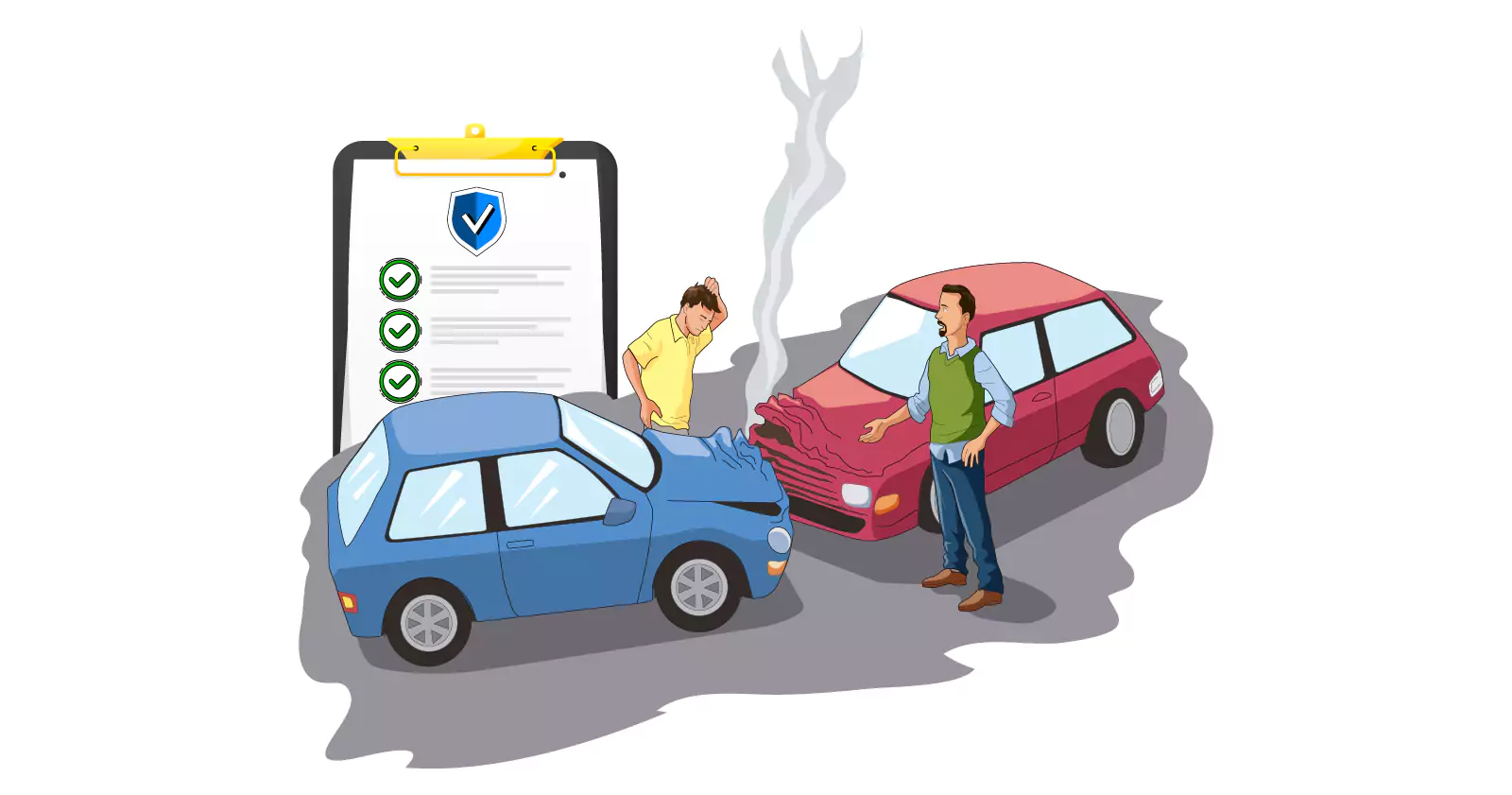

Pothole Damage: Why You Shouldn’t Leave Money on the Table
South Africa’s roads have an estimated 25 million potholes, according to the South African Road Federation — and if you’ve been driving for more than a few months, there’s a decent chance one of them has already cost you a tyre, a rim, or worse. Santam reported in 2023 that the average pothole-related claim runs between R20,000 and R25,000, and many of these incidents leave the car undriveable on the spot.
Here’s what most drivers don’t realise: your car insurance isn’t necessarily the only place you can recover that cost from. South Africa’s road authorities — SANRAL for national roads, and your local municipality or metro roads agency for everything else — can be held financially responsible for damage caused by poor road maintenance. Knowing how the two routes work together (not against each other) can make a real difference to what you’re left out of pocket.
First: Insurance and Road-Authority Claims Aren’t Interchangeable
Before we go further, a quick correction to a common misconception: you can’t claim the same repair cost twice—once from your insurer and again in full from SANRAL or your municipality. That would be double recovery, and the road authorities’ own claim forms specifically ask you to confirm whether you’re insured for exactly that reason.
What you can do is use both routes for what each is actually meant to cover:
- If you’re insured, your insurer pays for the repair, and you carry the excess. In some cases, your insurer may itself pursue the road authority to recover what it paid out (a process called subrogation) — but that’s your insurer’s claim, not a second payout to you.
- If you’re not insured, or your policy doesn’t cover a specific pothole-related claim (tyre and rim damage is sometimes treated differently to full accident damage, and some policies exclude it as wear-and-tear), the SANRAL or municipal route becomes your main — and sometimes only — avenue for recovering the cost directly.
- If your excess is the only amount you’re out of pocket, some drivers do pursue the road authority specifically for that shortfall, since it’s a genuine, unreimbursed loss.
The honest version of “claim twice” isn’t double-dipping — it’s knowing which door to knock on for which part of the bill, instead of assuming insurance is your only option.
How to Claim From SANRAL (National Roads)
If the pothole was on a national route — anything starting with N, like the N1, N2, or N3 — your claim goes to SANRAL, which then holds the maintenance contractor for that stretch of road accountable. SANRAL has confirmed that these claims are processed similarly to a standard insurance claim, provided you can demonstrate the damage genuinely resulted from the pothole.
You’ll typically need:
- An affidavit (commissioned at a police station) describing the incident and the damage
- An affidavit confirming whether or not you have insurance covering the loss
- A damage report from the repairer or a professional assessor
- Photos of the pothole and the resulting damage, ideally taken on the day
Be prepared for this to take time. SANRAL’s own guidance acknowledges the process can be lengthy, and the outcome depends heavily on how well-documented your case is.
How to Claim From Your Municipality (Local and Metro Roads)
For potholes on provincial or municipal roads — most day-to-day city and suburban driving — the claim goes to the relevant local authority instead. In Johannesburg, for example, that’s the Johannesburg Roads Agency (JRA), which requires a completed Public Liability Claim Form along with a police affidavit, copies of your ID, driver’s licence, and vehicle registration, plus photos of the pothole, the damage, and the exact location.
Each municipality runs its own process and documentation requirements, and some have additional conditions. Cape Town, for instance, generally expects that the specific pothole was already reported to the city before the claim will be considered valid — which is a strong argument for reporting any bad pothole you spot, even before it damages your own car.
Why the Paperwork Trips People Up
The single biggest reason legitimate pothole claims get rejected isn’t that the claim was invalid — it’s that the documentation wasn’t solid enough. A few things worth doing immediately after hitting a pothole, before you even think about which claim route to use:
- Photograph the pothole itself, not just your car’s damage — from a distance showing its position on the road, and up close showing its size and depth
- Note the exact location and date/time, ideally with your phone’s GPS/location data intact
- Get the affidavit done promptly at your nearest police station rather than weeks later, since the details are freshest right after the incident.
- Keep the original invoice for any repairs, even if you’re not yet sure which route you’ll pursue.
One further nuance worth knowing: in at least one documented case, a driver’s claim was reduced because they were found partly at fault for speeding at the time — even though the pothole was accepted as the primary cause. Driving at a reasonable speed for the road conditions isn’t just good practice; it protects your claim too.
Why This Is a Conversation Worth Having With Your Broker
A direct insurer has no particular incentive to walk you through the SANRAL or municipal process — it doesn’t benefit them, and most call centre scripts simply won’t go there. As your broker, this is exactly the kind of gap we exist to close: helping you understand not just what your policy covers, but what other avenues exist when it doesn’t, or when there’s a shortfall left over after your excess.
If you’ve hit a bad pothole recently — or just want to know where you’d stand if you did — it’s worth a quick conversation before the next one catches you off guard.
Frequently Asked Questions
Can I claim the full repair cost from both my insurer and SANRAL for the same pothole?
No. That would be double recovery. You can claim from your insurer for the covered repair, or from SANRAL/your municipality directly if you’re uninsured or the claim falls outside your policy — not the full amount from both for the same loss.
How do I know if a pothole is SANRAL’s responsibility or my municipality’s?
It comes down to the road. National routes (N1, N2, N3, and similar) fall under SANRAL. Provincial, metro, and local roads fall under the relevant municipal or metro roads agency.
Do I need a police affidavit even if I’m not claiming for injuries?
Generally yes — most road authority claims require an affidavit describing the incident and the damage, regardless of whether anyone was injured.
What’s the average payout for a pothole-related claim in South Africa?
Santam reported an average of R20,000 to R25,000 for pothole-related insurance claims in 2023, though individual cases vary widely depending on the damage.
Meta title: Pothole Damage Claims in South Africa: SANRAL, Municipality & Insurance | [Broker Name]
Meta description: Hit a pothole in South Africa? Learn how SANRAL, municipal, and insurance claims actually work together — and how to avoid a rejected claim.