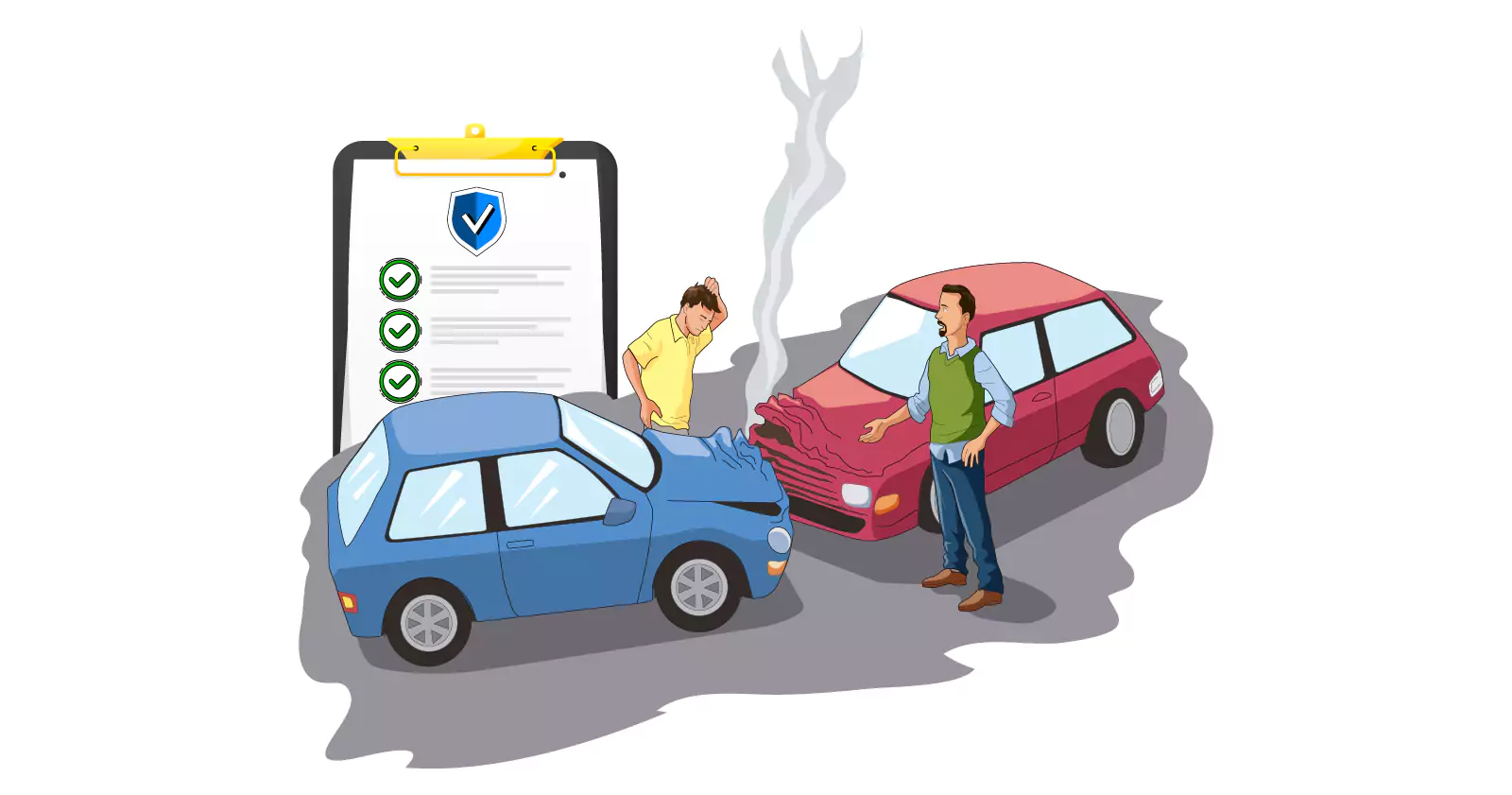

SASRIA Cover: The Add-On Most Drivers Skip (Until Unrest Hits Again)
Most South Africans have heard of SASRIA — but ask them what it actually covers, and you’ll usually get a shrug. That gap in understanding became painfully expensive for thousands of vehicle owners in July 2021, when riots and looting tore through KwaZulu-Natal and Gauteng and many discovered, for the first time, that their standard car insurance didn’t cover a single cent of the damage.
As your broker, we’d rather you understand this now than find out the hard way.
What Is SASRIA, Really?
SASRIA (the South African Special Risks Insurance Association) is a state-owned insurer that has been South Africa’s sole provider of cover for a very specific category of risk since 1979: damage caused by riots, strikes, labour unrest, public disorder, terrorism, and politically motivated violence. No private insurer in South Africa underwrites these risks — SASRIA is legally the only option, which is part of why so few people understand how it works.
Here’s the part that catches people out: standard comprehensive car insurance explicitly excludes this category of damage. If your car is torched, overturned, or damaged during a riot or strike action, your regular motor policy simply will not pay out — no matter how comprehensive it otherwise is. SASRIA cover has to be added separately, as a “coupon” attached to your existing policy.
Why July 2021 Changed Everything
In July 2021, unrest broke out in KwaZulu-Natal and Gauteng following the imprisonment of former President Jacob Zuma, escalating into some of the most destructive rioting in South Africa’s democratic history. Over 300 people died and roughly 3,000 stores were looted or destroyed in the space of about ten days, with vehicles — parked cars, delivery trucks, and taxis alike — caught in the middle of it.
SASRIA’s own figures show how enormous the fallout was: claims from that single event eventually reached around R32 billion, one of the most expensive riot events insurers have ever recorded anywhere in the world. The state ultimately had to inject R22 billion into SASRIA just to keep it solvent enough to pay out.
For vehicle owners without SASRIA cover, the outcome was blunt: no cover, no payout, full loss absorbed personally. For those who had it — often without fully realising what it was for — the difference between a total financial loss and a paid claim came down to one small, easily overlooked add-on.
Is SASRIA Cover Compulsory?
No — and this is exactly the problem. SASRIA cover is optional, not automatically bundled into every policy. Some insurers include it by default as part of their comprehensive packages; others require you to request it specifically. If you’ve never had a conversation with your insurer about SASRIA, there’s a real chance you don’t have it.
The premium for SASRIA cover is genuinely modest relative to what it protects against — it’s priced as a small addition to your existing policy rather than a standalone product, precisely because it’s meant to be an easy, low-friction add-on. Which makes it even more frustrating when people find out they didn’t have it only after they needed it.
What SASRIA Actually Covers for Your Vehicle
SASRIA cover typically responds to vehicle damage caused by:
- Riots and public disorder — vehicles damaged, burned, or overturned during unrest
- Strike action and labour unrest — damage sustained during protests or picketing that turns destructive
- Politically motivated violence — damage linked to organised political or civil conflict
- Terrorism — a narrower category, but included under the same umbrella
It’s worth noting SASRIA cannot legally extend to certain other catastrophic risks — flooding, for instance, falls outside its mandate entirely and needs to be checked separately in your policy’s weather-related terms.
How Claims Actually Work
If your vehicle is damaged in a riot or unrest event, you don’t deal with SASRIA directly — your insurer (or broker) acts as SASRIA’s agent, submitting the claim on your behalf using the same process as any other motor claim: incident report, photos, assessment, and payout. The system is designed to be seamless if the cover was already in place before the event. It cannot be added retroactively once a claim is already underway.
Why This Is a Broker Conversation, Not a Direct-Insurer One
Direct insurers sell you a policy and move on — there’s little incentive for a call centre script to walk you through an add-on that isn’t compulsory and rarely gets claimed on. As your broker, flagging gaps like this is core to what we do. We go through your policy line by line, including cover most people never think to ask about, so you’re not left discovering a gap the way thousands of South Africans did in July 2021.
If you’re not 100% sure whether your current policy includes SASRIA cover, it’s a five-minute question we can answer for you — before you ever need to find out the hard way.
Frequently Asked Questions
Is SASRIA cover automatically included in my car insurance?
Not always. Some insurers bundle it into comprehensive cover by default; others require you to add it specifically. It’s worth confirming directly rather than assuming.
Does SASRIA cover apply to third-party or fire-and-theft policies, or only comprehensive?
SASRIA cover attaches to whatever underlying policy you have, including third-party or fire-and-theft — but you need to check with your insurer or broker whether it’s been added to your specific policy type.
Can I add SASRIA cover after unrest has already started?
No. Cover needs to be in place before an event occurs. Once unrest, strikes, or riots are underway, it’s too late to add the coupon and claim for that specific event.
How much does SASRIA cover typically cost?
It’s priced as a small addition to your existing premium rather than a standalone policy, and the exact amount depends on your insurer, vehicle, and existing cover — we can confirm the specific cost for your policy.
Meta title: SASRIA Cover for Cars in South Africa: What It Is & Why It Matters | [Broker Name]
Meta description: