Insurance Mistakes Contractors Make When Starting New Projects
Starting a new project usually comes with a bit of pressure.
There’s a deadline. A budget. Staff to manage. Materials to source. Clients who want updates. Subcontractors who need direction.
Insurance often gets pushed to the side. Not ignored exactly. Just treated like one more admin job that can be sorted quickly.
But here’s the problem.
Construction sites carry risk from day one. Sometimes from the moment equipment arrives on site.
And when insurance isn’t arranged properly at the start of a project, problems can get expensive very quickly.
We see this happen more than people think.
A contractor assumes an existing policy covers the new job. It doesn’t. Plant is damaged. A worker gets injured. A neighbouring property is affected. Suddenly everyone wants answers.
That’s why many contractors start searching things like contractor insurance requirements, construction insurance South Africa, and liability insurance for contractors right before work begins.
They want to make sure they’re covered before anything goes wrong.
Fair enough.
So let’s look at the insurance mistakes contractors often make when starting a new project.
Assuming One Policy Covers Every Project
This is one of the most common mistakes.
A contractor already has insurance in place, so they assume the new project is automatically covered.
Sometimes that’s true. Sometimes it’s not.
Different projects come with different risks. A residential renovation is not the same as a commercial build. A small subcontracting job is not the same as a large site with multiple trades working at once.
The scope, contract value, location, and activities all matter.
If the policy doesn’t line up with the actual work being done, coverage gaps can appear. And those gaps usually only become obvious once there’s a claim.
That’s not when anyone wants surprises.
Not Properly Covering Damage to Property
Construction sites are busy places. Materials move in and out. Equipment is used constantly. Structures are partly built, exposed, or being altered.
Damage can happen in all sorts of ways.
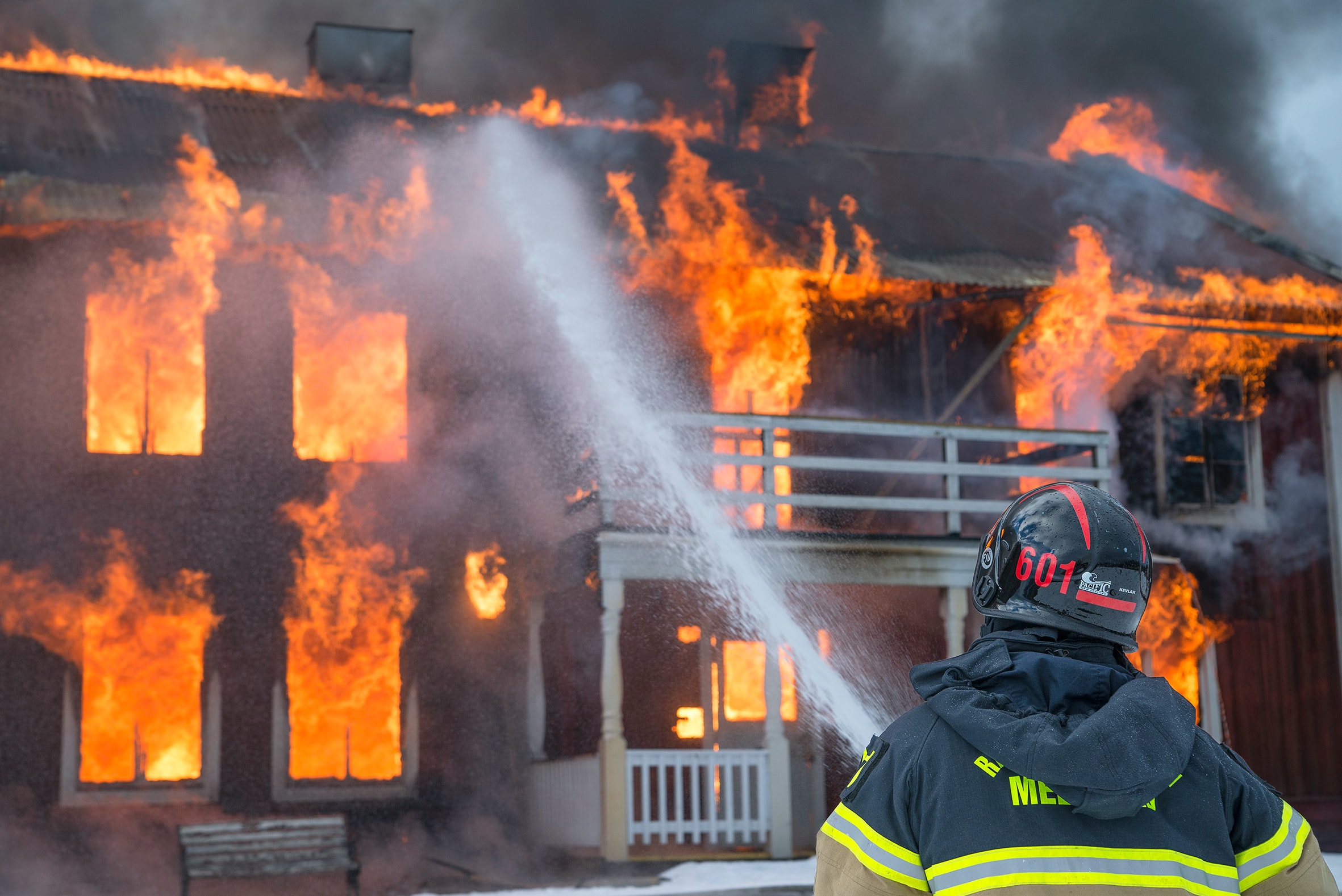
A wall collapses during alterations. Water damage affects part of the site. A subcontractor causes accidental damage while installing equipment. A fire damages stored materials.
These things aren’t rare. They’re part of the reality of site work.
Contractors sometimes focus heavily on liability and forget about the physical project itself. But contract works and site-related property damage need proper cover too.
If materials, temporary works, or parts of the build are damaged, the financial hit can be serious.
Overlooking Worker Injury Risks
No contractor wants injuries on site. But construction work comes with obvious hazards.
People work at height. They operate machinery. They handle heavy materials. They move through environments that change daily.
Even well-managed sites can have accidents.
And when someone gets hurt, the costs go beyond immediate medical concerns. There may be legal consequences, lost time, project delays, and questions around responsibility.
Some contractors assume general business insurance will cover everything related to worker injury. That’s a risky assumption.
Different types of cover may be needed depending on the business structure, the people on site, and the nature of the work being done.
This is one of those areas where guessing isn’t a great idea.
Forgetting About Third-Party Claims
Not every construction claim comes from the site team.
Sometimes the claim comes from someone outside the project.
A neighbouring property is damaged. A client alleges negligence. A member of the public is injured near the site. Dust, debris, vibration, or site activity causes unexpected problems.
That’s where liability insurance for contractors becomes so important.
Third-party claims can become expensive fast. Legal costs alone can be painful, even before damages are considered.
And it doesn’t take a major disaster for a claim to happen. Sometimes it starts with something fairly ordinary and then escalates.
A cracked pavement. A damaged gate. A falling object. A vehicle accident linked to site activity.
Small incident. Big bill.
Not Insuring Equipment Properly
Construction projects depend heavily on tools, machinery, and plant.
If that equipment is stolen, damaged, or breaks down, work can slow or stop altogether.
We’ve seen contractors focus on the main contract and forget that their ability to do the job depends on the equipment they bring to site.
Plant and equipment cover matters. So does checking where and how that equipment is used.
Some risks change depending on whether machinery is stored overnight on site, transported between sites, or operated by different teams.
Again, the detail matters more than most people expect.
Waiting Until the Last Minute
This one catches a lot of contractors out.
A project is about to begin. The contract is signed. Work starts in a few days. Then insurance becomes urgent.
That timing can create problems.
If documents are missing, project details aren’t clear, or cover needs to be adjusted, delays can follow. And construction timelines don’t leave much room for admin hold-ups.
Insurance works best when it’s handled early. Before the first delivery. Before the first machine arrives. Before anyone steps onto site.
That way, if adjustments are needed, there’s time to sort them properly.
A Better Way to Start a Project
Before a new job begins, it helps to ask a few simple questions:
- Does the current policy match the size and type of project?
- Is there cover for damage to the works and site materials?
- Are liability risks properly covered?
- What happens if equipment is damaged or stolen?
- Are worker-related risks accounted for?
Those questions won’t solve everything on their own, but they usually highlight where a proper review is needed.
Construction projects are complicated enough already. Insurance shouldn’t become another crisis halfway through the job.
Getting the cover right at the start makes the whole project safer, steadier, and a lot less stressful.